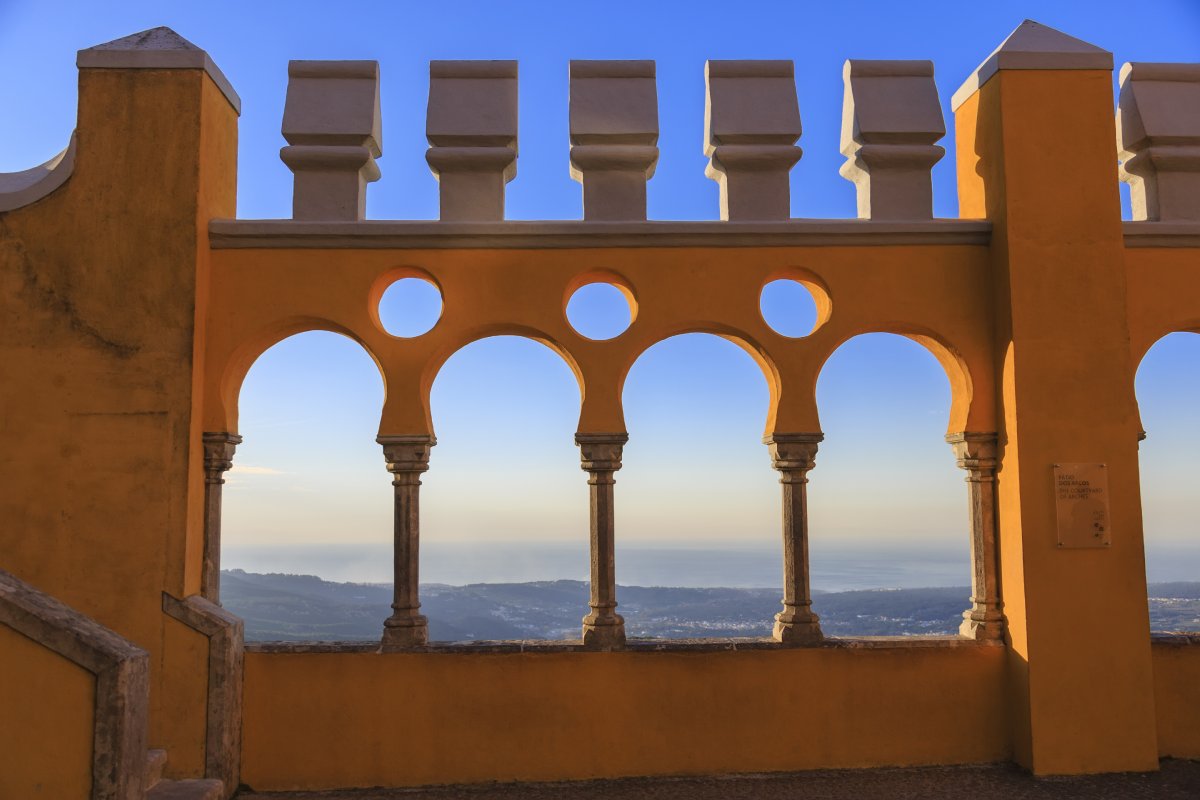
Perched atop the Sintra Mountains in Portugal, Pena Palace isn't just a visually stunning landmark; it's a tapestry woven with intricate symbolism and historical narratives. Every gargoyle, tile, and architectural choice tells a story, inviting visitors to delve deeper than the surface and uncover the secrets hidden within its walls. Come along as we explore the captivating symbolism that makes Pena Palace an unforgettable experience.
A Royal Vision: The Palace's Foundation
King Ferdinand II, a man of immense artistic vision, transformed a ruined monastery into the Romanticist masterpiece we see today. His passion for art, history, and the exotic is evident in every corner of the palace. He envisioned a structure that embodied Portugal's rich past, its connection to the sea, and its place in the world. The architectural blend of Gothic, Manueline, and Moorish styles reflects this ambition, creating a unique and powerful visual language.
Decoding the Architectural Styles
Understanding the different architectural styles is key to unlocking the palace's symbolism:
- Neo-Gothic: Evident in the pointed arches and soaring towers, representing a connection to medieval Europe and Christian heritage.
- Neo-Manueline: A uniquely Portuguese style characterized by maritime motifs, celebrating Portugal's Age of Discoveries. Think ropes, anchors, and other nautical elements.
- Neo-Moorish: Influenced by the Moorish occupation of the Iberian Peninsula, incorporating horseshoe arches, intricate tilework, and vibrant colors.
The Gargoyles and Grotesques: Romantic Fantasy in Stone
As you explore the exterior of Pena Palace, look closely at the whimsical gargoyles and grotesque figures that decorate its façades and portals. Inspired by medieval Gothic traditions and reimagined through 19th-century Romanticism, these expressive sculptures add drama, humor, and imagination to the palace’s design. Each figure is uniquely carved, contributing to the sense of fantasy and theatricality that defines Pena Palace. While rooted in historical architectural motifs, here they serve primarily as decorative and symbolic elements, reinforcing the palace’s role as a dreamlike celebration of history, legend, and artistic freedom.
Tiles That Tell Tales: The Azulejos of Pena Palace
Inside Pena Palace, visitors will encounter beautiful azulejos, the traditional ceramic tiles that are a defining feature of Portuguese decorative art. Many of these tiles predate the palace itself and were reused from earlier royal and religious buildings, reflecting long-standing artistic traditions. Far from being merely ornamental, azulejos often depict religious imagery, historical scenes, and symbolic patterns common in Portuguese culture. The classic blue-and-white tiles, in particular, illustrate the influence of international styles and the enduring role of azulejos as a visual form of storytelling within Portugal’s architectural heritage.
The Triton Gate
One of the most striking features of Pena Palace is the Triton Gate (Porta do Tritão), decorated with a dramatic mythological figure inspired by Triton, the messenger of the sea. This hybrid form part human, part fish, intertwined with plant elements symbolizes the union of land and sea, a recurring theme in Portuguese culture. Closely linked to the Neo-Manueline style, it reflects Portugal’s maritime heritage and Age of Discoveries, serving as an allegorical expression. For any queries before planning your visit, check FAQ.
Colors and Their Significance
The vivid colors of Pena Palace are a defining feature of its Romantic design. Rather than serving a strictly coded symbolism, the bold yellows, reds, and blues were chosen to create strong contrasts and emotional impact. Yellow and red emphasize the palace’s dramatic forms, while blue-and-white details echo traditional Portuguese decorative arts. Together, these colors heighten the palace’s dreamlike character and visual intensity.
Planning Your Visit to Pena Palace
To fully appreciate the symbolism and history of Pena Palace, it's essential to plan your visit carefully. Consider booking a guided tour to gain deeper insights into the palace's history and architectural details. Allow ample time to explore the palace grounds and gardens, as there are hidden gems and stunning viewpoints to discover. Comfortable shoes are a must, as the palace is located on a hilltop and requires a fair amount of walking. Before your visit, you can find useful details on Visiting Information page.
Tips for Uncovering the Symbolism
Here are a few tips to help you uncover the symbolism of Pena Palace during your visit:
- Do your research: Before you go, read up on the history of the palace and the symbolism of the architectural styles.
- Take a guided tour: A knowledgeable guide can point out hidden details and explain the significance of various elements.
- Observe carefully: Pay attention to the details the gargoyles, the tiles, the colors, and the overall design.
- Ask questions: Don't be afraid to ask your guide or other visitors about the symbolism you encounter.
- Take your time: Don't rush through your visit; allow ample time to soak in the atmosphere and appreciate the palace's beauty.
Book Your Tickets and Explore!
Ready to embark on your own symbolic journey through Pena Palace? Don't miss the opportunity to experience this architectural marvel firsthand. Secure your Tickets today and prepare to be transported to a world of history, art, and enchantment.
A Lasting Impression
Pena Palace is more than just a tourist attraction; it's a testament to human creativity, historical significance, and the power of symbolism. By understanding the stories behind the architecture and decor, you can enrich your visit and gain a deeper appreciation for this remarkable landmark. So, the next time you find yourself in Sintra, be sure to explore the secrets of Pena Palace and uncover the hidden meanings that make it truly unforgettable.