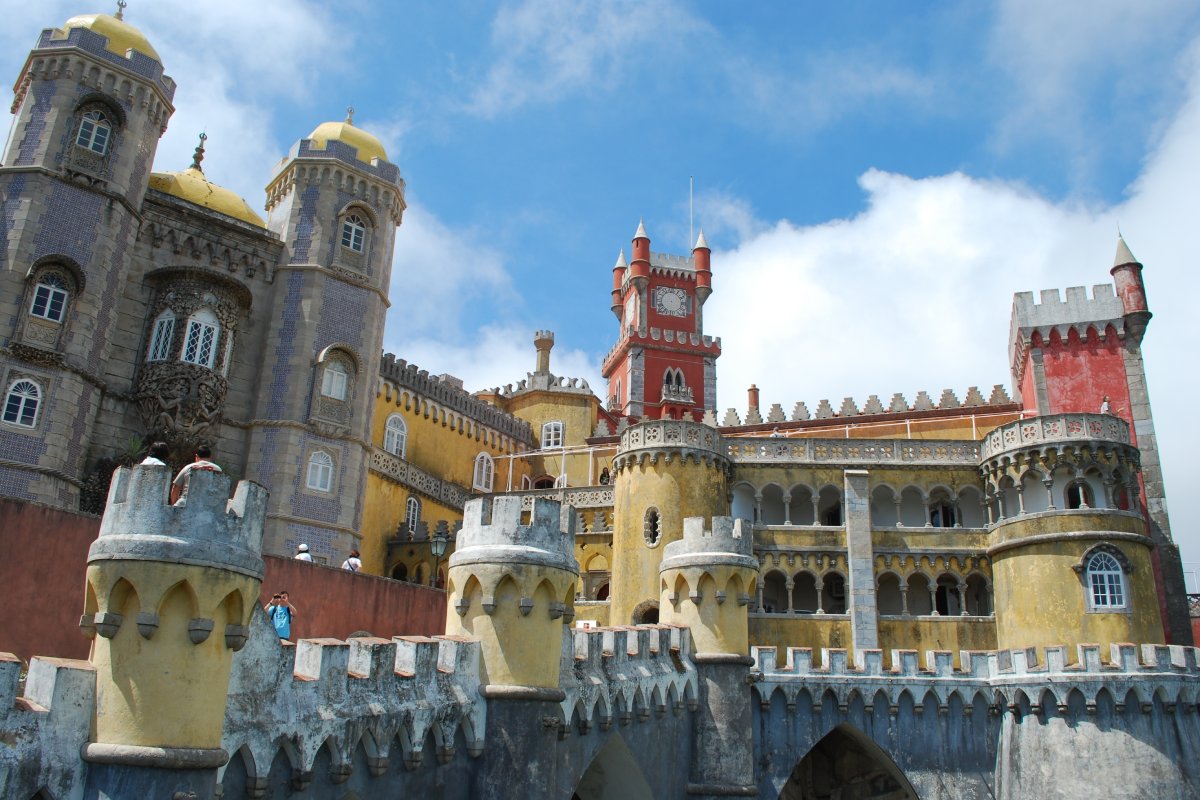
When you stand at the gates of the Park of Pena, looking up at the vibrant yellows and reds piercing through the mist of the Sintra Mountains, it is easy to believe that this fairytale castle has always looked this pristine. However, the vivid grandeur of the National Palace of Pena is not merely a frozen moment in time; it is the result of a continuous, arduous, and passionate battle against the elements. For travelers visiting in late 2025, the palace stands as a testament not just to 19th-century Romanticism, but to modern conservation science.
The story of this monument is one of constant evolution. Built on the ruins of an old monastery, the palace was the dream of King Ferdinand II, a man with the soul of an artist who wished to create an opera set in stone. Yet, the very location that makes the palace so enchanting, the high, humid peaks of the Serra de Sintra is also its greatest enemy. Preserving this national treasure requires a delicate balance of respecting history while utilizing cutting-edge technology to ensure the structure survives for centuries to come.
The Vision of King Ferdinand II: A Romantic Dream
To understand the restoration, one must first understand the creation. In the mid-19th century, King Ferdinand II transformed a crumbled Hieronymite monastery into a summer residence that defied architectural norms. He blended Manueline, Moorish, Gothic, and Renaissance styles into a single, cohesive masterpiece. This eclectic mix, while visually stunning, presents a nightmare for conservationists. Different materials such as stone, tile, iron, and stucco react differently to temperature changes and aging.
For decades after the fall of the monarchy in 1910, the palace faced periods of neglect. The vibrant colors that Ferdinand loved so dearly began to fade, turning the castle into a somber, grey shadow of its former self. It wasn't until the late 20th and early 21st centuries that a massive, systematic effort began to return the palace to its original glory. This wasn't just about painting over the cracks; it was about rediscovering the soul of the building.
The Ravages of Time and Nature
Sintra is famous for its microclimate. While the lush vegetation and misty mornings are romantic, they are relentless. The high humidity levels, strong Atlantic winds, and sudden temperature shifts cause rapid degradation of the exterior renders. Moss and lichens eat away at the stone, while moisture penetrates the walls, threatening the opulent interiors.
Restoration teams face a unique set of challenges when working at this altitude:
- Biological Colonization: The rapid growth of fungi and algae on the porous facades requires constant, gentle cleaning to prevent structural damage.
- Erosion: The intricate carvings and gargoyles are constantly battered by wind and rain, requiring stabilization.
- Iron Corrosion: The decorative ironwork, essential to the palace's aesthetic, is highly susceptible to rust in the salty sea air coming from the coast.
A Modern Renaissance: The Return of Color
Perhaps the most controversial yet successful aspect of the restoration was the recovery of the exterior colors. For years, locals and visitors alike had grown accustomed to a grey, weathered palace. When the restoration project began in earnest, extensive analysis of the mortar revealed the original pigments used in the 1840s: yellow ochre for the Moorish section and iron oxide red for the Manueline tower.
The decision to repaint the palace in these bold, original hues shocked some but delighted historians. Today, as you explore the various Palace Sections, you are seeing the building exactly as the King Consort intended. This process involved removing layers of cement from previous, misguided repairs and replacing them with traditional lime-based mortars that allow the walls to "breathe," a crucial step for the building's longevity.
Behind the Scaffolding: The Meticulous Process
Restoration at Pena is never truly "finished." It is a cyclical process of monitoring, diagnosing, and intervening. The approach has shifted significantly over the years, moving from reactive repairs to preventive conservation. This scientific approach ensures that every intervention is reversible, a golden rule in modern heritage preservation.
The following table illustrates the evolution of these restoration techniques:
| Aspect | Traditional Methods (Past) | Modern Conservation (Present) |
| Materials | Cement and synthetic paints (often damaging) | Traditional lime mortars and mineral silicates |
| Diagnosis | Visual inspection only | Laser scanning, thermography, and chemical analysis |
| Intervention | Rebuilding or replacing indiscriminately | Consolidating existing material; minimal intervention |
| Documentation | Handwritten logs and sketches | 3D Digital modeling and cloud-based databases |
Preserving the Interiors and Collections
While the exterior grabs the headlines, the work inside is equally painstaking. The palace houses thousands of objects, from porcelain and glass to textiles and furniture. The high humidity of Sintra poses a severe threat to these organic materials. Conservationists have installed advanced climate control systems hidden within the historic architecture to regulate temperature and moisture without disrupting the visitor experience.
When you check the Visiting Information, you might notice rules regarding photography or touching surfaces. These aren't just bureaucratic regulations; they are essential preservation measures. Flash photography can degrade delicate textiles over time, and the oils from human hands can cause irreversible damage to centuries-old stucco and wood. Every visitor plays a passive role in this conservation effort simply by respecting these boundaries.
The Future of Preservation: Sustainable Tourism
The greatest challenge facing Pena Palace today is its own popularity. Millions of people dream of walking its ramparts. Managing this footfall is critical to the physical integrity of the floors and structures. The management entity, Parques de Sintra, invests the revenue generated from tourism directly back into these restoration projects. It is a virtuous cycle: visitors fund the very work that keeps the palace standing.
Current projects are focusing on the surrounding park and the intricate water systems that feed the fountains and lakes. The holistic approach acknowledges that the palace and the park are inseparable; the health of the forest protects the palace from wind and stabilizes the soil.
A Living Monument
Pena Palace is not a museum where time stands still; it is a living entity that demands constant care and attention. The scaffolding you might see during your visit shouldn't be viewed as an obstruction, but rather as a sign of love and dedication. It signifies that a team of architects, engineers, historians, and stonemasons is working tirelessly behind the scenes.
By securing your tickets and walking through those arches, you become part of the palace's history. You are witnessing the result of a restoration effort that spans generations, ensuring that the Romantic dream of King Ferdinand II remains vivid, colorful, and inspiring for centuries to come.