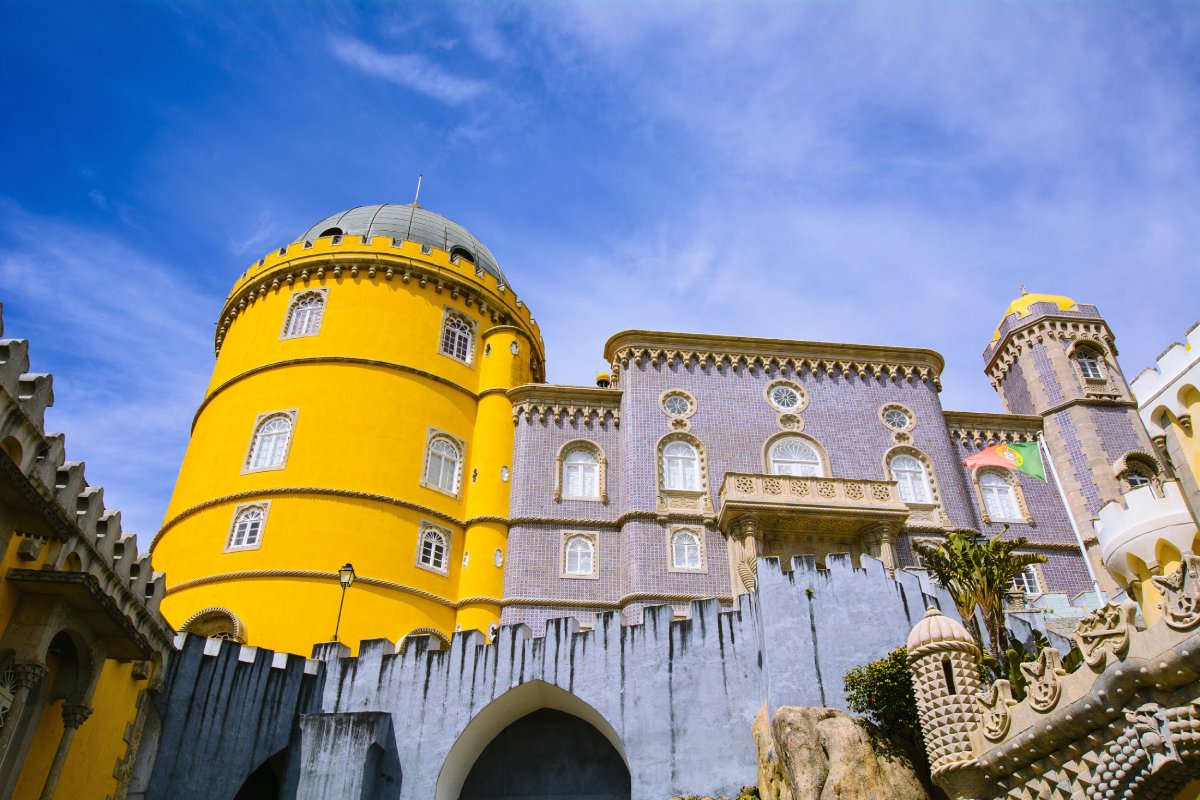
Perched atop the Sintra Mountains, overlooking the enchanting landscape of Portugal, Pena Palace stands as a testament to architectural ingenuity and historical evolution. More than just a palace, it's a vibrant tapestry woven from centuries of history, blending monastic austerity with royal extravagance. Its story is one of transformation, resilience, and ultimately, breathtaking beauty. Let's embark on a journey through time to uncover the fascinating story of Pena Palace, from its spiritual origins to its reign as a romantic royal retreat.
The Monastery's Humble Beginnings
The story of Pena Palace begins with a 15th-century monastery, built to house monks devoted to prayer and scholarly pursuits. For centuries, the monastery served as a place of worship and reflection, set in a serene location high above Sintra. King Manuel I later expanded and enhanced the monastery. Though little remains of the original building, the palace today still carries the sense of peace and tranquility that once defined the monastic life.
Challenges and Resilience
Life at the monastery wasn’t always peaceful. Over the centuries, the monks faced numerous challenges, including lightning strikes and the devastating Great Lisbon Earthquake of 1755, which left parts of the monastery in disrepair. For decades, the site remained largely abandoned, a silent testament to the forces of nature. Yet, the story of Pena Palace is one of resilience and transformation eventually reborn in the 19th century as the Romantic palace we see today under the vision of King Ferdinand II.
A Royal Vision: Transformation into a Palace
The 19th century marked a turning point in the history of Pena Palace. King Ferdinand II, a man of immense artistic vision and a deep appreciation for the Romantic movement, acquired the ruins of the monastery. Inspired by the Romantic ideals of nature, emotion, and the revival of historical styles, Ferdinand envisioned transforming the dilapidated monastery into a magnificent palace. He wanted a palace that would not only serve as a royal residence but also as a symbol of Portugal's rich history and cultural heritage.
The Architect and the Vision
To bring his vision to life, King Ferdinand II enlisted the help of Baron Wilhelm Ludwig von Eschwege, a German architect and mining engineer. Together, they embarked on an ambitious project to transform the ruins of the monastery into the Pena Palace we know and love today. Eschwege masterfully blended various architectural styles, including Gothic, Manueline, Moorish, and Renaissance, creating a unique and eclectic masterpiece. The result is a palace that is both visually stunning and historically significant.
Architectural Marvel: A Blend of Styles
Pena Palace is a feast for the eyes, a captivating blend of architectural styles that reflects the Romantic sensibilities of the 19th century. The palace features:
- Gothic arches: Evoking a sense of grandeur and spirituality.
- Manueline motifs: Celebrating Portugal's Age of Discoveries with intricate nautical details.
- Moorish influences: Adding an exotic touch with colorful tiles and horseshoe arches.
- Renaissance elements: Contributing to the overall harmony and balance of the design.
This eclectic mix of styles creates a unique and unforgettable architectural experience. Every corner of the palace reveals a new detail, a new perspective, and a new story.
Key Features of Pena Palace
Pena Palace boasts a multitude of fascinating features, each contributing to its unique charm and historical significance. From the vibrant colors that adorn its exterior to the intricate details within its walls, the palace is a treasure trove of artistic and architectural wonders. Some of the most notable features include:
- The Queen's Terrace: Offering breathtaking panoramic views of the surrounding landscape.
- The Triton Statue: A mythical creature guarding the entrance to the palace.
- The Arab Room: Showcasing exquisite Moorish-inspired decorations.
- The Chapel: A reminder of the monastery's original purpose.
Exploring the Palace Sections allows visitors to fully appreciate the artistry and craftsmanship that went into creating this architectural masterpiece.
Pena Palace Today: A UNESCO World Heritage Site
Today, Pena Palace stands as a UNESCO World Heritage Site, attracting visitors from all over the globe. It is a symbol of Portugal's rich history, cultural heritage, and artistic ingenuity. The palace is open to the public, allowing visitors to explore its opulent interiors, wander through its lush gardens, and marvel at its breathtaking views. Planning your visit is essential to making the most of your experience.
Visiting Pena Palace: What to Expect
A visit to Pena Palace is an unforgettable experience. Here are a few things to keep in mind when planning your trip:
- Purchase your tickets in advance: This will save you time and ensure that you can enter the palace. You can purchase tickets online.
- Wear comfortable shoes: The palace is located on a hilltop, and there is a fair amount of walking involved.
- Allow plenty of time: There is so much to see and explore at Pena Palace, so plan to spend at least a few hours there.
- Check the weather forecast: The weather in Sintra can be unpredictable, so be sure to check the forecast before you go.
Whether you're a history buff, an architecture enthusiast, or simply looking for a beautiful place to explore, Pena Palace is sure to captivate you. Its story is a testament to the power of transformation, the resilience of the human spirit, and the enduring beauty of art and architecture.
The palace, with its vibrant colours and intricate details, offers a glimpse into the lives of the Portuguese royals and the artistic movements that shaped the 19th century. From the Queen's Terrace, one can soak in panoramic views of the Sintra Mountains and the Atlantic coast, a truly breathtaking experience. The surrounding parkland, with its exotic trees and hidden pathways, invites visitors to wander and discover the natural beauty that complements the palace's grandeur.
Pena Palace is more than just a historical monument; it is a living testament to the power of imagination and the enduring legacy of those who dared to dream. It is a place where history, art, and nature converge, creating an experience that is both enriching and unforgettable.