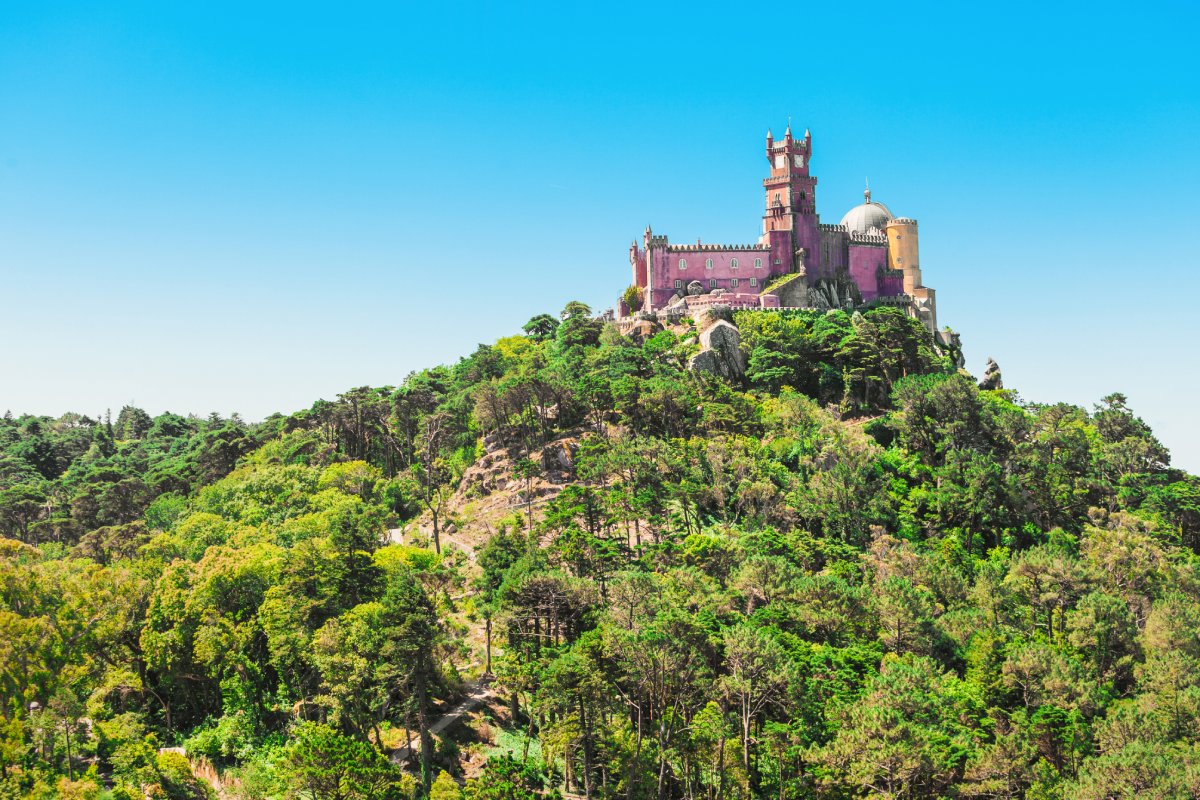
Pena Palace, perched atop a hill in Sintra, Portugal, is more than just a stunning landmark; it's a vibrant embodiment of the Romanticism movement. Its fairytale-like architecture, vibrant colors, and eclectic mix of styles all speak to the artistic and philosophical ideals that swept through Europe in the 19th century. Understanding the palace's artistic context allows us to appreciate its design and significance on a much deeper level. If you're planning a visit, be sure to check the Visiting Information page for the latest updates and guidelines.
The Romanticism Movement: A Brief Overview
To fully grasp the artistic context of Pena Palace, it's essential to understand the Romanticism movement itself. Emerging as a reaction to the Enlightenment's emphasis on reason and logic, Romanticism celebrated emotion, imagination, and the individual experience. It glorified nature, the past, and the exotic, often incorporating elements of mysticism and folklore. Romanticism influenced literature, art, music, and architecture, leaving an indelible mark on European culture.
- Emphasis on emotion and intuition over reason.
- Glorification of nature and the sublime.
- Interest in the past, particularly the medieval period.
- Celebration of the individual and the subjective experience.
- Incorporation of folklore, mythology, and the exotic.
Pena Palace: A Romantic Masterpiece
King Ferdinand II, a man deeply influenced by Romantic ideals, commissioned the transformation of a former monastery into Pena Palace in the mid-19th century. He envisioned a palace that would reflect his artistic sensibilities and celebrate the beauty of the surrounding landscape. The result is a breathtaking architectural marvel that seamlessly blends various styles, including Gothic, Manueline, Moorish, and Renaissance. This eclectic approach is itself a key characteristic of Romanticism, which embraced diversity and rejected rigid adherence to classical norms.
The palace's vibrant colors, intricate details, and fantastical elements create a sense of wonder and enchantment. Its location atop a hill, surrounded by lush forests, further enhances its romantic appeal. The palace appears to rise organically from the landscape, blending seamlessly with its natural surroundings. Before planning your visit, consider purchasing your Tickets online to avoid potential queues.
Architectural Elements Reflecting Romanticism
Several specific architectural elements of Pena Palace directly reflect the principles of Romanticism:
- Eclecticism: The blending of various architectural styles, creating a unique and visually stimulating experience.
- Asymmetry: The deliberate avoidance of symmetry in the palace's design, reflecting the Romantic emphasis on individuality and freedom.
- Ornamentation: The use of intricate details, sculptures, and decorative elements to evoke emotion and create a sense of wonder.
- Integration with Nature: The seamless blending of the palace with its natural surroundings, celebrating the beauty and power of nature.
- Theatricality: The palace's dramatic setting and fantastical elements create a sense of theatricality, engaging the visitor's imagination.
Key Features and Their Romantic Significance
Let's explore some of Pena Palace's key features and their connection to the Romanticism movement:
| Feature | Romantic Significance |
| The Triton Statue | Represents the power and unpredictability of nature, a common theme in Romanticism. |
| The Queen's Terrace | Offers panoramic views of the surrounding landscape, allowing visitors to connect with nature and experience the sublime. |
| The Chapel | Reflects the Romantic interest in spirituality and the past, incorporating elements of Gothic architecture. |
| The Interior Decoration | Features a rich and diverse collection of art and artifacts, reflecting the Romantic fascination with the exotic and the historical. |
The Gardens of Pena: A Romantic Landscape
The gardens surrounding Pena Palace are an integral part of the overall Romantic experience. King Ferdinand II meticulously designed the gardens to create a landscape that would evoke emotion and inspire contemplation. He imported plants from all over the world, creating a diverse and exotic collection. The gardens feature winding paths, hidden grottoes, and stunning viewpoints, inviting visitors to explore and connect with nature. You can learn more about the different Palace Sections, including the gardens, on our website.
The deliberate use of artificial ruins and follies within the gardens further enhances their romantic appeal. These elements evoke a sense of history and mystery, inviting visitors to imagine the past and create their own narratives. The gardens are a testament to the Romantic ideal of creating a landscape that is both beautiful and emotionally evocative.
Visiting Pena Palace is more than just a sightseeing trip; it's an immersion into the world of Romanticism. By understanding the artistic context of the palace, you can appreciate its design and significance on a much deeper level. The palace is a testament to the power of imagination, emotion, and the individual spirit, all key tenets of the Romanticism movement.
So, when you stand on the Queen's Terrace, gazing out at the breathtaking landscape, remember that you are not just admiring a beautiful view; you are experiencing the essence of Romanticism. The palace is a living embodiment of this influential artistic period, inviting you to connect with its ideals and embrace the beauty of the world around you.