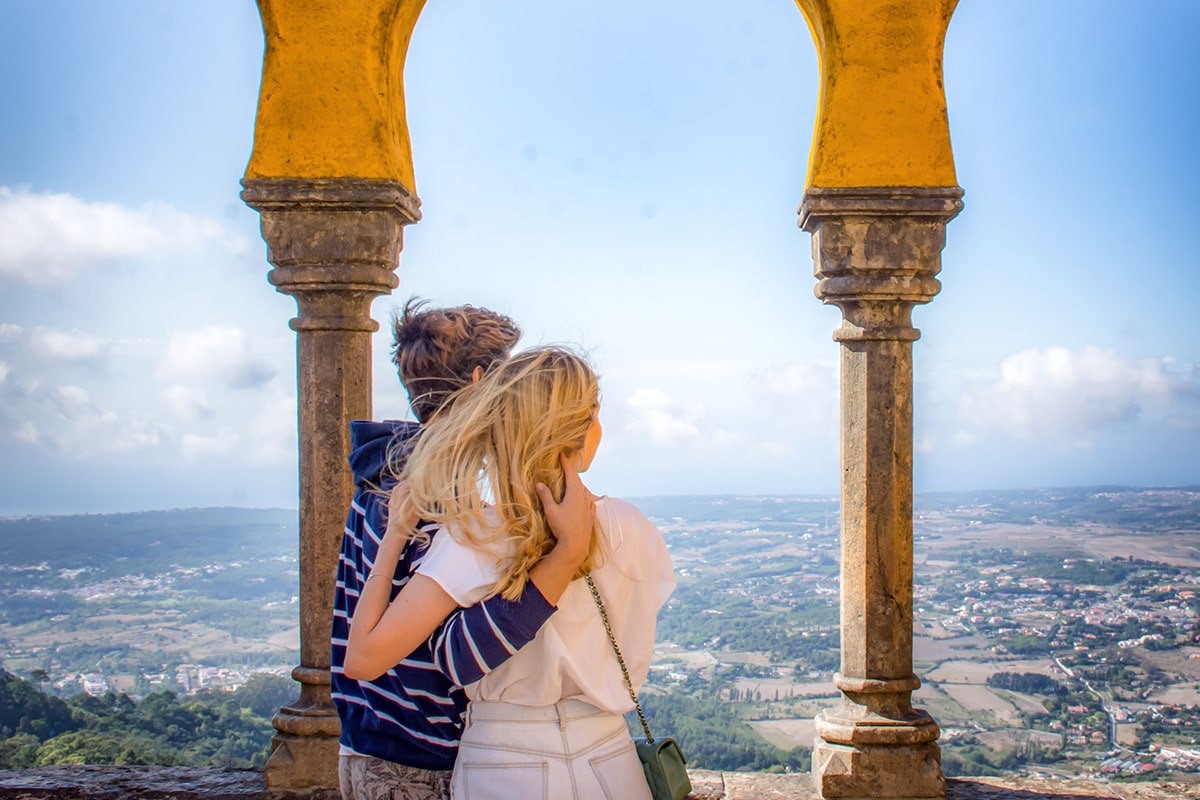
Perched high atop a verdant hill in Sintra, Portugal, the Pena Palace stands as a vibrant testament to 19th-century Romanticism. More than just a castle, it's a fantastical fusion of architectural styles, a royal retreat steeped in history, and a visual feast for the senses. From its colorful facades to its intricately designed interiors, the Pena Palace offers a captivating journey through time and imagination.
A Vision of Romanticism
King Ferdinand II, a man of artistic vision and a deep appreciation for the Romantic movement, is the driving force behind the Pena Palace's unique design. He acquired the ruins of a former Hieronymite monastery and, in 1842, embarked on an ambitious project to transform it into a royal residence that reflected the Romantic ideals of the era. This meant embracing eclecticism, celebrating nature, and evoking a sense of wonder and nostalgia.
The palace is a deliberate departure from the Neoclassical austerity that preceded it. It embraces asymmetry, ornamentation, and a playful mix of architectural influences, creating a whimsical and visually stimulating experience for visitors. The vibrant colors, the intricate details, and the dramatic setting all contribute to the palace's undeniable charm.
Architectural Fusion: A Blend of Styles
One of the most striking aspects of the Pena Palace is its eclectic blend of architectural styles. King Ferdinand II drew inspiration from a variety of sources, including:
- Moorish: The influence of Moorish architecture is evident in the palace's horseshoe arches, intricate tilework, and decorative crenellations, reminiscent of the Moorish presence in the Iberian Peninsula.
- Manueline: This uniquely Portuguese style, characterized by its maritime motifs and elaborate ornamentation, is showcased in the palace's intricate carvings and symbolic details.
- Gothic: Gothic elements, such as pointed arches and soaring towers, add a touch of grandeur and medieval romance to the palace's overall design.
- Renaissance: Renaissance influences can be seen in the palace's classical proportions and symmetrical layouts, providing a sense of balance and harmony.
This fusion of styles is not haphazard; it's a deliberate expression of Romanticism's embrace of history and its appreciation for diverse cultural influences. The Pena Palace is a testament to the power of imagination and the beauty that can arise from the harmonious blending of different artistic traditions.
Exploring the Palace Sections
The Pena Palace is divided into several distinct sections, each offering a unique glimpse into the palace's history and design. You can find detailed information about each part of the palace on the Palace Sections page.
- The Queen's Terrace: Offering panoramic views of the surrounding landscape, this terrace is a perfect spot to soak in the beauty of Sintra.
- The Cloisters: These serene arcades of the old monastic cloister provide a tranquil retreat within the palace complex and reflect the preservation of the 16th-century monastic structure amid the Romantic palace additions.
- The State Rooms: These opulent chambers offer a glimpse into the lives of the Portuguese royal family and are adorned with exquisite furniture, artwork, and decorative details.
- The Chapel: A small but beautifully decorated chapel, reflecting the religious significance of the site's original monastery.
The Surrounding Park: A Romantic Landscape
The Pena Palace is not just about the building itself; it's also about the surrounding park, a meticulously landscaped garden that complements the palace's Romantic aesthetic. King Ferdinand II transformed the rugged terrain into a lush oasis, planting exotic trees and shrubs from around the world. The park features winding paths, hidden grottoes, and picturesque viewpoints, inviting visitors to explore and immerse themselves in nature's beauty. The entire area reflects the Romantic era's appreciation for the sublime and the picturesque.
Planning Your Visit
Visiting the Pena Palace is an unforgettable experience. To make the most of your trip, it's recommended to plan ahead. You can find useful Visiting Information on the official website, including details on opening hours, transportation, and accessibility.
Consider purchasing your Tickets online in advance to avoid potential queues, especially during peak season. The palace can get crowded, so arriving early in the morning is advisable.
Wear comfortable shoes, as you'll be doing a lot of walking, both inside the palace and in the surrounding park. Be prepared for varying weather conditions, as Sintra's microclimate can be unpredictable.
A Royal Legacy
The Pena Palace served as a summer residence for the Portuguese royal family until the monarchy was abolished in 1910. Today, it stands as a national monument and a UNESCO World Heritage Site, attracting visitors from around the globe. It is a symbol of Portugal's rich history, its artistic heritage, and its enduring fascination with the Romantic era.
More than just a tourist attraction, the Pena Palace is a living testament to the power of imagination and the enduring beauty of Romanticism. It's a place where history, art, and nature converge, creating an experience that is both captivating and unforgettable.