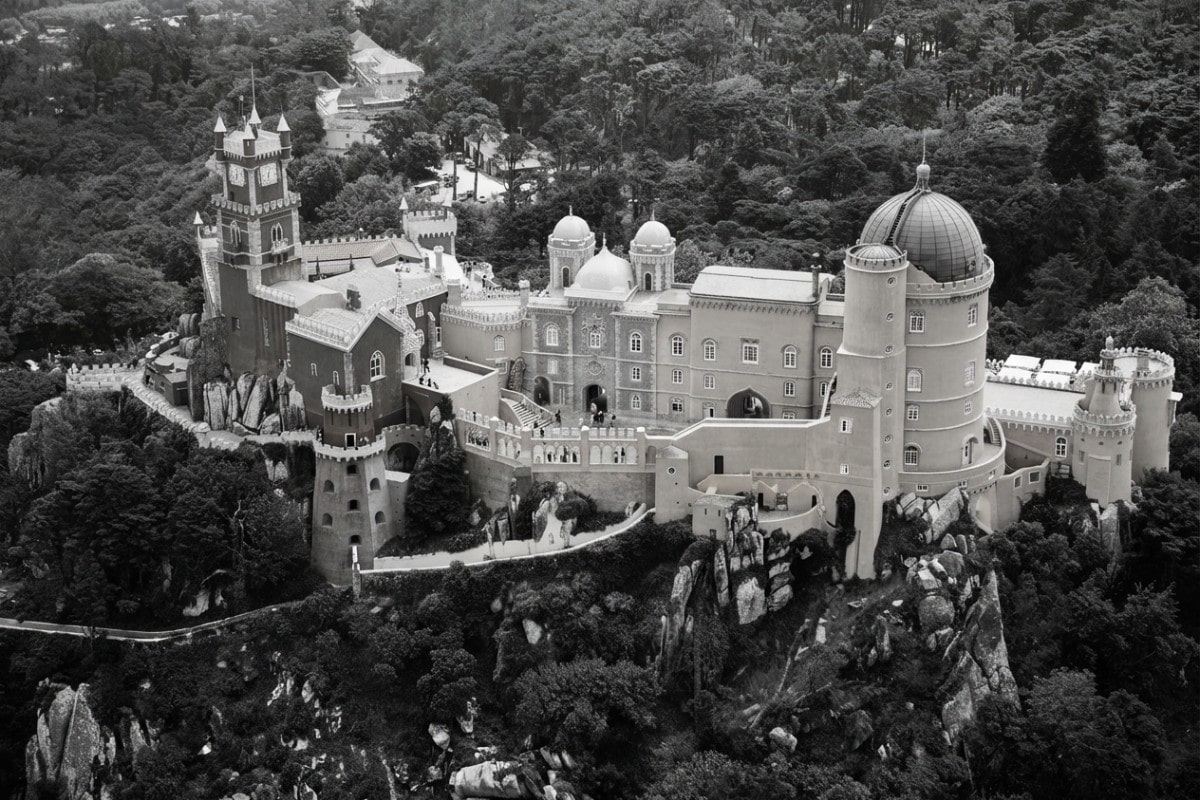
Pena Palace, a vibrant tapestry of colors perched atop the Sintra Mountains, is a feast for the eyes. But have you ever considered experiencing its grandeur in monochrome? Stripping away the hues reveals a different kind of beauty, one that emphasizes form, texture, and the play of light and shadow. This guide explores how to capture the timeless elegance of Pena Palace through the art of black and white photography, offering a fresh perspective on this iconic landmark.
Unveiling the Palace's Essence: Black and White Photography
Black and white photography transcends mere documentation; it's a powerful medium for storytelling. By eliminating color, we focus on the fundamental elements of a scene: light, shape, and texture. This is especially effective at Pena Palace, where the intricate architectural details and dramatic landscape lend themselves perfectly to monochrome interpretations. Imagine the Manueline gargoyles, the Moorish arches, and the Romanticist towers rendered in stark contrast, their forms brought to life by the interplay of light and shadow.
Before you embark on your photographic journey, it's wise to plan your visit. Consider purchasing tickets in advance to avoid long queues, especially during peak season. Also, check the Visiting Information page for opening hours and any specific regulations.
Mastering the Art of Monochrome: Essential Techniques
To truly capture the majesty of Pena Palace in black and white, consider these key techniques:
- Contrast: This is your most powerful tool. Use it to emphasize the differences between light and dark areas, creating a sense of depth and drama. Experiment with different filters (either physical or digital) to enhance contrast in specific areas.
- Texture: Pena Palace is rich in textures, from the rough stone walls to the smooth glazed tiles. Pay attention to how light interacts with these surfaces, and use your camera settings to bring out their tactile qualities.
- Composition: The arrangement of elements within your frame is crucial. Use leading lines, symmetry, and the rule of thirds to create visually appealing and balanced images. The palace offers countless compositional opportunities, so take your time and explore different angles.
- Light: The quality of light can dramatically impact your black and white images. Soft, diffused light is ideal for capturing subtle details, while harsh sunlight can create dramatic shadows and highlights. Experiment with shooting at different times of day to see how the light transforms the palace.
Finding the Perfect Shot: Architectural Details and Unique Perspectives
Pena Palace is a treasure trove of photographic subjects. Consider focusing on these key areas:
- The Queen's Terrace: This iconic viewpoint offers panoramic views of the surrounding landscape and a stunning perspective on the palace itself. Use a wide-angle lens to capture the grandeur of the scene.
- The Triton Statue: This mythical creature is a symbol of the palace. Capture its intricate details and the dramatic setting against the backdrop of the Sintra Mountains.
- The Interior Courtyards: Explore the hidden courtyards and discover the intricate architectural details that often go unnoticed. Look for patterns, textures, and the interplay of light and shadow.
- The Walls and Towers: The palace walls and towers offer a unique perspective on its history and design. Focus on the textures of the stone, the shapes of the arches, and the overall sense of grandeur.
Understanding the palace's layout can greatly enhance your photographic experience. The palace is divided into distinct Palace Sections, each offering unique architectural and artistic features. Familiarize yourself with these sections to plan your shots effectively.
Gear Up for Monochrome Majesty: Essential Equipment
While you don't need expensive equipment to take stunning black and white photos of Pena Palace, these items can be helpful:
- A Camera: Any camera that allows you to shoot in manual mode will work. A DSLR or mirrorless camera offers the most control, but even a smartphone can produce impressive results.
- Lenses: A wide-angle lens (16-35mm) is ideal for capturing the overall grandeur of the palace and its surroundings. A telephoto lens (70-200mm) can be useful for isolating specific details.
- Filters: A polarizing filter can reduce glare and enhance contrast. Neutral density (ND) filters can help you achieve longer exposures in bright light.
Post-Processing Perfection: Enhancing Your Images
Post-processing is an essential part of black and white photography. Use software like Adobe Lightroom or Capture One to adjust contrast, brightness, and sharpness. Experiment with different toning techniques, such as sepia or selenium, to add a vintage feel to your images. Don't be afraid to experiment and develop your own unique style.
Remember, the key to capturing the monochrome majesty of Pena Palace is to see beyond the colors and focus on the fundamental elements of light, shape, and texture. With a little practice and a keen eye, you can create timeless and dramatic images that showcase the palace's unique beauty.