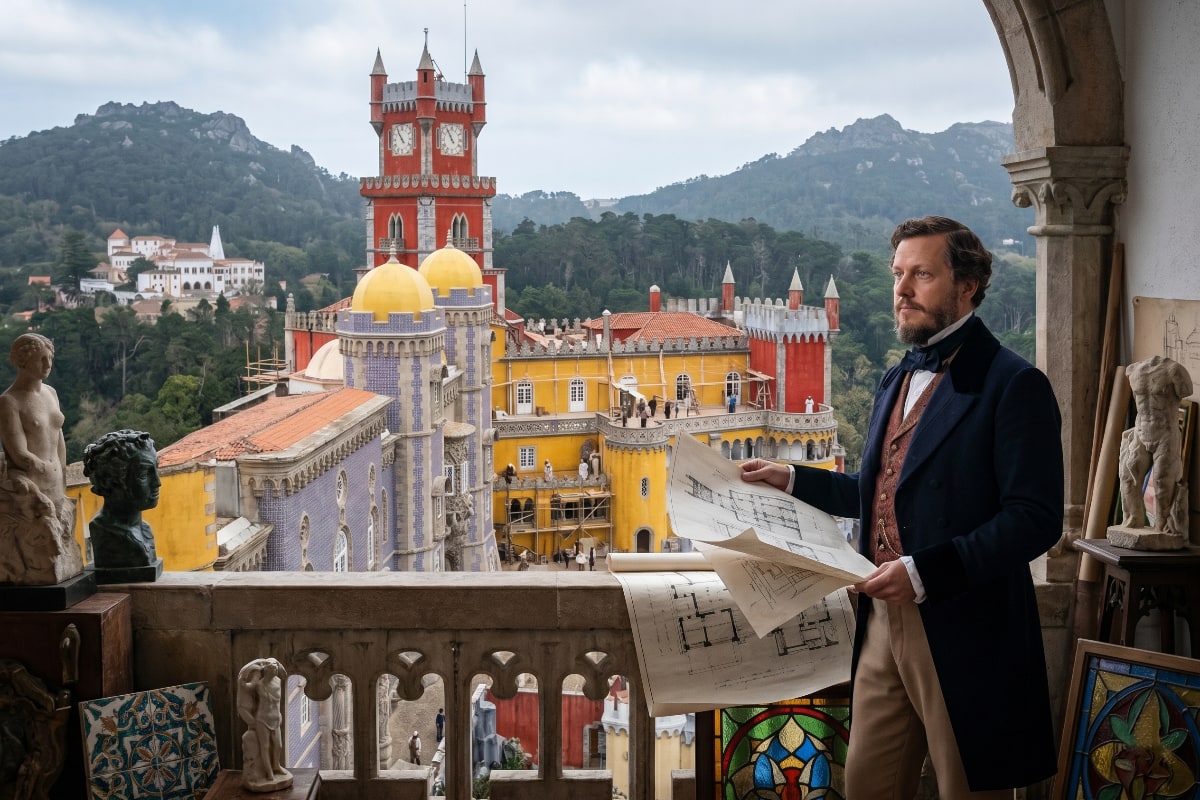
Pena Palace, perched high atop the Sintra Mountains in Portugal, is more than just a castle; it's a testament to the artistic vision of one man: King Ferdinand II. Often hailed as the 'Artist King,' Ferdinand's eclectic tastes and passion for Romanticism, combined with his deep appreciation for other architectural styles, resulted in a royal residence unlike any other. His influence permeates every corner of the palace, from its vibrant colors and intricate details to its blend of Moorish, Gothic, and Renaissance elements. This isn't just a building; it's a reflection of a king's soul.
A King Inspired: Ferdinand's Artistic Journey
Ferdinand's artistic inclinations were nurtured from a young age. He was a keen observer of the world around him, deeply influenced by the Romantic movement sweeping across Europe. This movement emphasized emotion, imagination, and a return to nature, all of which are evident in the design of Pena Palace. He wasn't merely commissioning a building; he was crafting a living, breathing work of art.
His travels across Europe further broadened his artistic horizons. The majestic castles of Bavaria, particularly Neuschwanstein, left an indelible mark on him. While Pena Palace possesses its own distinct character, the influence of these fairytale castles is undeniable, particularly in its dramatic silhouette and picturesque setting. He sought inspiration from the best, blending these elements with his own unique vision.
A Symphony of Styles: The Eclectic Design of Pena Palace
What truly sets Pena Palace apart is its harmonious blend of diverse architectural styles. Ferdinand didn't confine himself to a single aesthetic; instead, he embraced a fusion of influences, creating a truly unique and unforgettable structure.
- Romanticism: The palace's overall atmosphere of fantasy and grandeur is a direct result of the Romantic movement.
- Manueline: This uniquely Portuguese style, characterized by elaborate maritime motifs and intricate stonework, is evident in the palace's cloisters and archways.
- Moorish: The influence of Moorish architecture is visible in the palace's horseshoe arches, intricate tilework, and vibrant colors.
- Gothic & Renaissance: Subtle elements of these styles can also be found throughout the palace, adding to its rich and complex character.
This fusion wasn't haphazard; it was carefully orchestrated to create a cohesive and visually stunning whole. Ferdinand understood how to blend these disparate elements to create something entirely new and original. This is showcased wonderfully in the Palace Sections, where you can see how different influences are present in different parts of the palace. It's a testament to his artistic genius.
Beyond Architecture: Ferdinand's Personal Touches
Pena Palace is more than just a collection of architectural styles; it's a reflection of Ferdinand's personal tastes and passions. He was intimately involved in every aspect of the palace's design, from the selection of colors to the placement of furniture. He even commissioned specific artworks and sculptures to adorn the palace's interior.
His love of nature is also evident throughout the palace and its surrounding park. He personally oversaw the planting of exotic trees and plants from around the world, creating a lush and vibrant landscape that complements the palace's architectural splendor. The gardens are an integral part of the Pena Palace experience, offering breathtaking views and a tranquil escape from the crowds. When planning your visit, be sure to review the Visiting Information to make the most of your time exploring both the palace and its grounds.
Planning Your Visit: A Royal Experience
To fully immerse yourself in the Pena Palace experience, consider these tips for planning your visit:
- Best Time to Visit: Spring and fall offer pleasant weather and fewer crowds.
- Getting There: Sintra is easily accessible from Lisbon by train. From Sintra station, you can take a bus or taxi to the palace.
- Ticket Options: Purchase tickets online in advance to avoid long queues, especially during peak season. Consider a combined ticket that includes access to other Sintra attractions.
- What to Wear: Wear comfortable shoes, as you'll be doing a lot of walking. The weather in Sintra can be unpredictable, so dress in layers.
- Allow Enough Time: Plan to spend at least 3-4 hours exploring the palace and its gardens.
Preserving the Legacy: Pena Palace Today
Today, Pena Palace stands as a UNESCO World Heritage Site and one of Portugal's most iconic landmarks. It's a testament to the enduring power of King Ferdinand II's artistic vision and a reminder of the importance of preserving our cultural heritage. Millions of visitors flock to Pena Palace each year to marvel at its unique architecture and experience the magic of Sintra.
Whether you are an architecture enthusiast, a history buff, or simply a traveler seeking beauty and inspiration, Pena Palace is a destination that will leave a lasting impression. It is a place where history, art, and nature converge to create an unforgettable experience. To ensure a seamless visit, consider purchasing Tickets in advance, especially during peak season.
Key Takeaways: King Ferdinand II's Impact
| Aspect | Description |
| Artistic Vision | King Ferdinand II's unique blend of Romanticism, Manueline, Moorish, Gothic, and Renaissance styles shaped Pena Palace's distinctive architecture. |
| Personal Involvement | Ferdinand was deeply involved in every aspect of the palace's design, from color choices to furniture placement. |
| Inspiration Sources | Bavarian castles, particularly Neuschwanstein, and various architectural styles from his travels influenced his design choices. |
| Legacy | Pena Palace stands as a UNESCO World Heritage Site, a testament to Ferdinand's artistic genius and a symbol of Portugal's rich cultural heritage. |
King Ferdinand II's legacy lives on through Pena Palace, a monument to his artistic vision and a testament to the power of imagination. It's a place where dreams take shape and history comes alive, inviting visitors to step back in time and experience the magic of a bygone era. The palace continues to inspire and captivate, solidifying Ferdinand's place as a true artistic visionary.