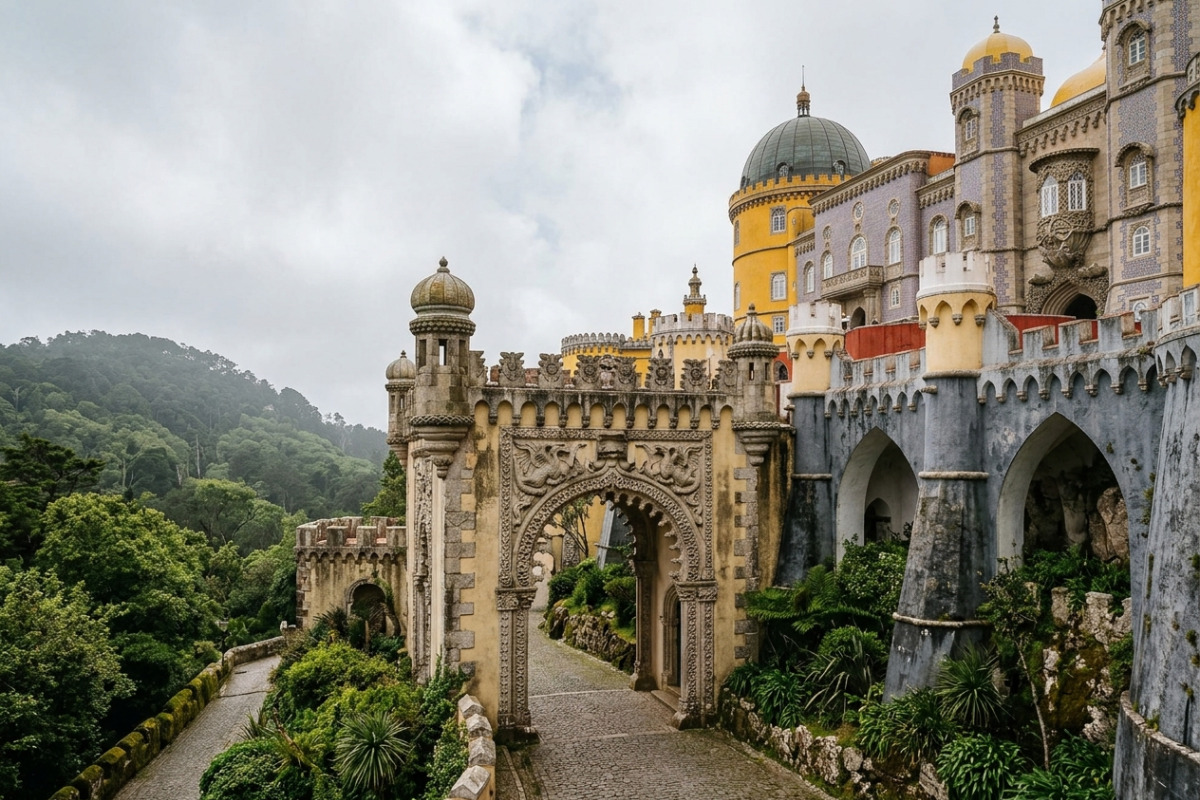
As you approach the magnificent Pena Palace, its vibrant colors and whimsical structures immediately capture your attention. However, beyond its aesthetic appeal lies a wealth of symbolism reflecting the historical context and artistic vision of its creator, King Ferdinand II. This blog post invites you to delve deeper into the enigmatic symbolism of Pena Palace, revealing how every arch, color, and design choice contributes to a grand narrative.
The Architectural Language of Symbolism
Pena Palace is not just a feast for the eyes; it is a carefully constructed narrative in stone and color. Each element of the palace serves a purpose beyond mere decoration. The use of bright colors, for example, is not only meant to stand out against the lush greenery of the surrounding landscape but also to evoke emotions associated with romanticism, such as joy and inspiration. The vibrant pinks, yellows, and blues are reminiscent of fairy tales, inviting visitors to lose themselves in a dreamlike experience.
Furthermore, the architectural style of Pena Palace is a fusion of various influences, including Gothic, Manueline, and Moorish designs. This eclectic mix symbolizes the cultural richness of Portugal during the 19th century, showcasing the country's historical ties with different civilizations. Each architectural feature, from the intricate turrets to the expansive terraces, tells a story of cultural exchange and artistic innovation.
Symbolism in the Gardens of Pena Palace
The gardens surrounding Pena Palace are just as symbolic as the palace itself. Designed as a romantic landscape, they were intended to reflect the ideals of the 19th-century Romantic movement. The winding pathways and strategic plantings encourage exploration and contemplation, allowing visitors to connect with nature and art simultaneously.
Each section of the gardens is meticulously curated, featuring exotic plants and trees that symbolize the diversity of life and the beauty of nature. For instance, the camellia collection is not only a stunning visual feature but also represents love and passion, echoing the romantic themes prevalent throughout the palace. As you stroll through the gardens, take a moment to appreciate how the natural elements harmoniously blend with the architectural grandeur of the palace.
The Role of Myth and Folklore
Another layer of symbolism in Pena Palace can be found in its connections to Portuguese myths and folklore. Many elements within the palace are inspired by local legends, infusing the structure with a sense of cultural identity and history. For example, the mythical creatures adorning the palace can be interpreted as guardians, protecting the space and its visitors. This interplay between myth and architecture creates an immersive experience, allowing visitors to engage with the cultural narrative of Portugal.
Understanding these layers of symbolism enhances your visit, providing context to the stunning visuals and making the experience all the more enriching. As you explore the palace, consider how each symbol reflects not just aesthetic choices, but also the historical and cultural significance of the era in which it was built.
Visiting Pena Palace: A Journey Through Time
To fully appreciate the intricate symbolism of Pena Palace, planning your visit is essential. Ensure you allocate enough time to explore both the palace and its gardens, as each area offers unique insights into the artistic vision of King Ferdinand II. For detailed information on visiting Pena Palace, including tips on timing and ticket purchases, check out our guide.
As you wander through this architectural marvel, remember to look beyond the surface. Each corner of Pena Palace holds a story waiting to be uncovered, inviting you to experience the rich tapestry of history, art, and culture that defines this iconic landmark.
Conclusion: Unlocking the Secrets of Pena Palace
In conclusion, the symbolism embedded within Pena Palace offers a unique lens through which to understand its architectural and historical significance. From the vibrant colors that evoke emotion to the mythological references that connect to Portuguese culture, each element contributes to a larger narrative that continues to captivate visitors. As you plan your visit, consider how you can engage with these symbols to enrich your experience at one of Portugal's most cherished sites. Don't forget to secure your tickets in advance for a seamless journey into the past.