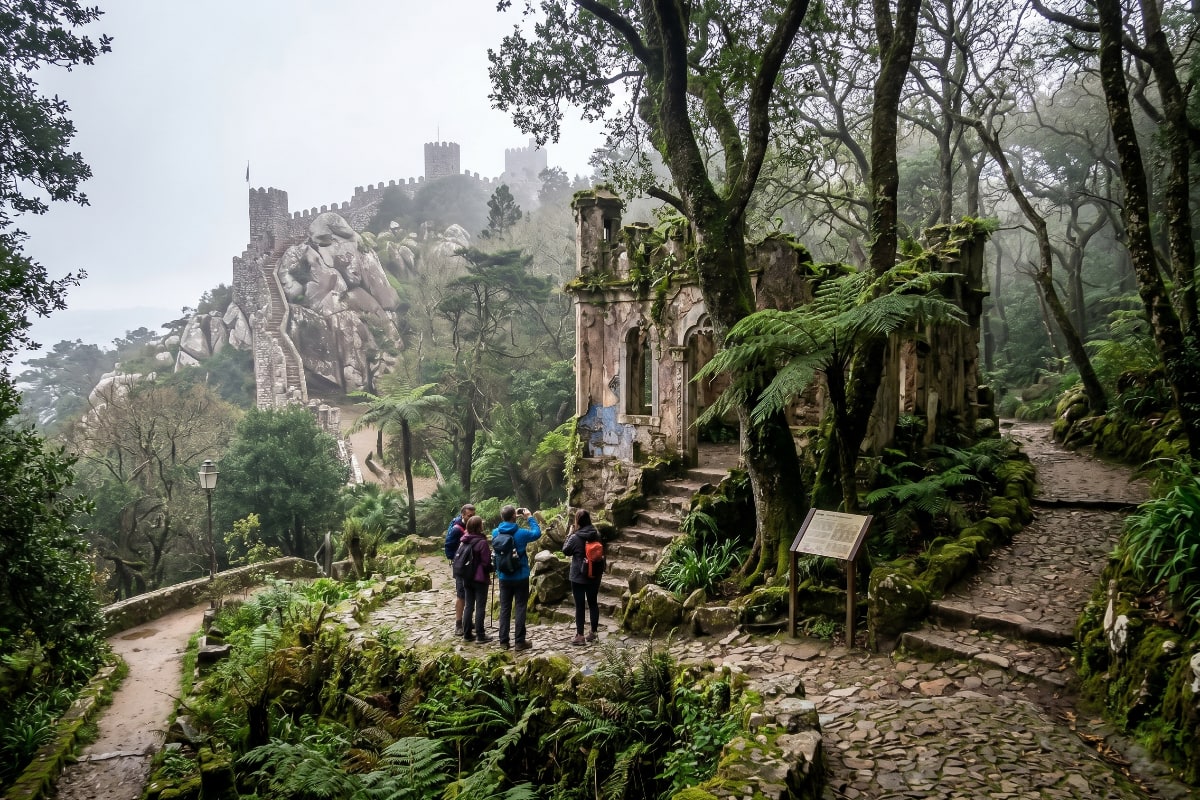
Pena Palace, with its vibrant colors and whimsical architecture, rightfully commands attention. But step beyond its majestic walls, and you'll discover a treasure trove of historical landmarks and evocative ruins nestled within the lush embrace of Pena Park. These lesser-known gems offer a glimpse into the park's rich and multifaceted history, revealing layers of spirituality, royal ambition, and artistic expression.
While many visitors flock to admire the palace's opulent interiors and panoramic views (perhaps after easily securing their Tickets online), taking the time to explore the surrounding parkland will reward you with a deeper understanding of the Pena's fascinating story. Prepare to embark on a journey through time as we uncover some of Pena Park's most intriguing historical sites.
Unveiling the Secrets of Pena Park
Pena Park is more than just a pretty backdrop to a stunning palace; it's a living testament to centuries of history. From the remnants of a once-thriving monastery to hidden chapels and intriguing architectural follies, the park offers a captivating journey for history buffs and curious explorers alike. Let's delve into some of the must-see historical landmarks and ruins:
The Ruins of the Jerónimos Monastery
Long before King Ferdinand II envisioned his romantic palace, the site of Pena was home to a Hieronymite monastery. Founded in the 16th century, the monastery served as a place of prayer and contemplation for monks seeking solitude amidst the Sintra mountains. Today, only ruins remain, offering a poignant reminder of the site's spiritual past. Exploring these remnants allows you to connect with the site's earlier history, imagining the lives of the monks who once walked these grounds.
The ruins are integrated within the park's landscaping, providing a serene and contemplative space. Look closely, and you can still discern architectural details that hint at the monastery's former grandeur. Imagine the solemn chants echoing through the halls and the quiet dedication of the monks who called this place home.
The Chapel of Saint Anthony
Tucked away amidst the verdant foliage, the Chapel of Saint Anthony offers a glimpse into the religious devotion that shaped the region. This small, unassuming chapel, though less grand than the palace itself, holds significant historical importance. Its simple architecture and peaceful ambiance provide a stark contrast to the opulence of Pena Palace, reminding visitors of the diverse influences that shaped the park's identity.
Take a moment to step inside (if accessible) and appreciate the chapel's tranquil atmosphere. Consider the countless prayers that have been offered within its walls and the role it played in the spiritual lives of the local community. It's a place to reflect and connect with the past in a quiet and meaningful way.
High Cross
The High Cross, strategically positioned within Pena Park, serves as a historical marker and a point of orientation. Its presence speaks to the religious significance of the area and its function as a landmark for pilgrims and travelers. The cross itself is a testament to the enduring power of faith and its influence on the cultural landscape.
Consider the views from the High Cross. Was it intentionally placed to offer a spiritual perspective on the surrounding landscape? Does it connect to other religious sites in the area? Reflecting on these questions can enrich your appreciation of the High Cross and its historical context.
The Countess's Chalet
A testament to romanticism and artistic expression, the Countess's Chalet offers a unique glimpse into the personal life of a key figure associated with Pena Palace. This charming chalet, built for the Countess of Edla, showcases architectural details that blend seamlessly with the natural surroundings. It’s a beautiful example of 19th-century romantic architecture and provides insight into the relationship between King Ferdinand II and the Countess.
Exploring the Chalet allows you to imagine the private world of the Countess and King Ferdinand. Admire the intricate details of the building's design, the carefully chosen materials, and the way it integrates with the surrounding landscape. It's a reminder that even amidst grand historical events, personal stories and artistic endeavors continue to shape the human experience.
Other Architectural Follies and Hidden Gems
Pena Park is replete with other architectural follies and hidden gems waiting to be discovered. These may include decorative fountains, ornamental ponds, and strategically placed viewpoints that offer breathtaking panoramas of the surrounding landscape. These elements were meticulously designed to enhance the park's beauty and create a sense of wonder and enchantment.
Keep an eye out for these hidden treasures as you explore the park. Consult a map or guidebook (or the Visiting Information page) to help you locate them. The joy of discovery is part of the Pena Park experience, so be sure to embrace the spirit of exploration and allow yourself to be surprised.
Planning Your Exploration of Pena Park's Historical Landmarks
To make the most of your visit to Pena Park and its historical landmarks, consider these tips:
- Wear comfortable shoes: You'll be doing a lot of walking, so comfortable footwear is essential.
- Bring water and snacks: Stay hydrated and energized, especially during warmer months.
- Allow ample time: Exploring the entire park, including the historical sites, can take several hours.
- Check accessibility: Some areas may have limited accessibility for visitors with mobility issues.
- Consider a guided tour: A guided tour can provide valuable insights into the park's history and significance.
Exploring Pena Park's historical landmarks and ruins offers a richer and more rewarding experience than simply visiting Pena Palace alone. By venturing beyond the palace walls, you'll uncover a deeper understanding of the park's multifaceted history, appreciate its spiritual significance, and connect with the artistic vision that shaped this enchanting landscape. So, lace up your walking shoes, embrace the spirit of adventure, and prepare to be transported to a world of historical wonders.